Metal Stitching Crack Repairing About
Casting Repairs for following equipments
- Industrial castings of all types
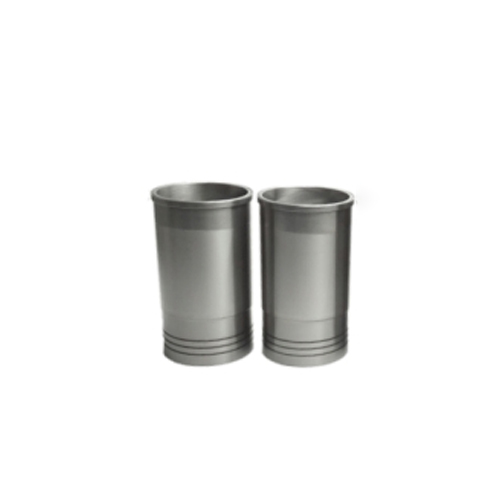
- Compressor cylinders/Power cylinders
- Compressor frames
- Pump housings
- Engine bases and main frames
- Marin engine metal stitching
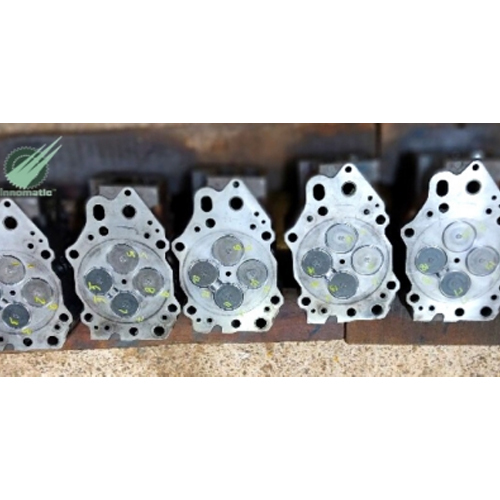
- Cylinder heads
- Exhaust manifolds
- Gear housing
- Equipment farm & housing
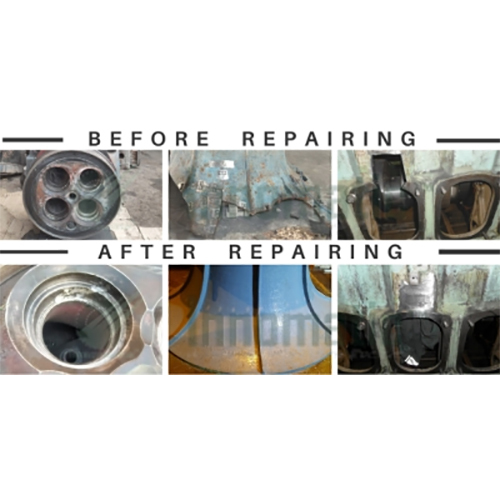
Advanced Cold Metal Stitching TechniqueOur metal stitching process employs an innovative, no-heat method to restore cracked cast iron components. By inserting high grade steel stitching pins and locks, the original structure is preserved, resulting in a strong, seamless repair. The end result is a metallic, machinable surface that integrates perfectly with the existing material, making it suitable for high-performance requirements.
Engineered for Demanding Industrial ApplicationsThis solution is ideal for repairing cracks in engine blocks, machine beds, and other heavy machinery. The repair can withstand temperatures up to 500C and offers high corrosion resistance, making it perfect for challenging environments. The process is compatible with manual or mechanical equipment, ensuring adaptability across a variety of operational settings.
FAQs of Metal Stitching Crack Repairing:
Q: How does the metal stitching crack repair technique work?
A: The metal stitching repair method involves precisely drilling along the crack and inserting high-grade steel stitching pins and locks without using heat. This process keeps the original cast iron structure intact while creating a durable, machinable metallic finish.
Q: What types of components are best suited for metal stitching repairs?
A: Metal stitching is most effective for cast iron components such as engine blocks, machine beds, and various heavy machinery parts that demand high strength and temperature resistance.
Q: When should I consider metal stitching crack repair over welding?
A: Metal stitching is ideal whenever you want to avoid heat distortion, preserve material properties, or require a clean, machinable finish. It is especially suitable for permanent repairs in industrial machinery where traditional welding might compromise structural integrity.
Q: Where can I use metal stitching repairs?
A: You can use this technique on-site or in a workshop across industries involving heavy machinery. As a permanent, cold repair solution, it is suitable wherever cracked cast iron or metallic components need restoration in India.
Q: What is the repair process for metal stitching and how long does it take?
A: The process involves drilling, tapping, and inserting steel pins and locks into the crack, followed by surface machining if needed. The duration mainly depends on the cracks length, but installation is generally swift compared to other methods.
Q: What are the benefits of metal stitching crack repair?
A: Benefits include a long-lasting, corrosion-resistant repair with a metallic finish that can be easily machined. It avoids the use of heat, minimizes downtime, and provides a permanent, strong solution for industrial cast iron components.




 Send Inquiry


 Send Inquiry


