Cylinder Head Reparing About
SYMPTOMS OF CYLINDER HEAD DAMAGE INCLUDE:
- Increased fuel consumption
- Engine running rough
- White exhaust smoke
- Chuffing noise from the engine exhaust pipe
- Lack of engine power
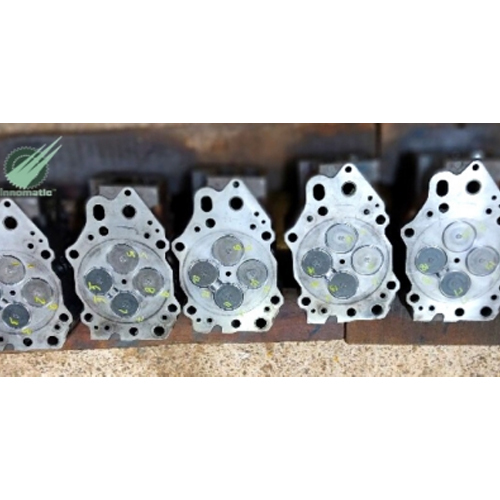
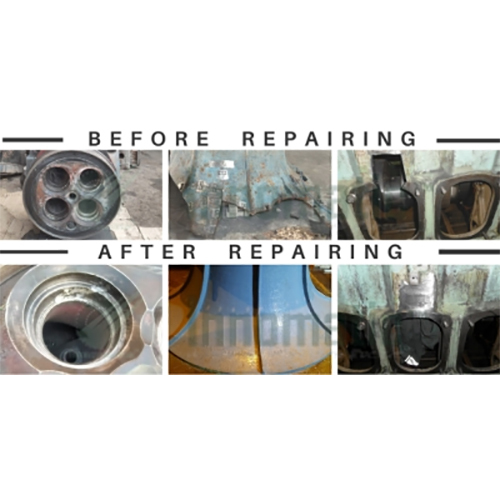
CYLINDER HEADS REPARING INCLUDES
- Valve seat replacing
- Valve seat grinding
- Valve refacing
- Lapping of valve
- Valve guide replacing
- Valve leakage testing
- Head leakage testing.
- Crake repair of head
- Engine valve grinding and maintenance
Precision and Efficiency for Cylinder Head RepairsAchieve accurate and efficient results in engine and cylinder head repairs with this advanced handheld pneumatic tool. Its robust alloy steel construction and anti-corrosive coating ensure longevity, while the high power output enables seamless operations even in demanding automotive environments. Designed for user comfort and safety, it minimizes noise and fatigue during extended use.
Reliable Performance in Demanding EnvironmentsEngineered for consistent performance, this tool features a working pressure of 90 psi and speeds up to 7500 rpm, making it suitable for diverse engine repair applications. The ergonomic design, along with a precise 1/4 inch BSP air inlet and optimal temperature range, ensures the tool delivers reliable power and torque for precise automative machinery maintenance.
FAQ's of Cylinder Head Reparing:
Q: How does the cylinder head repairing tool enhance automotive workshop operations?
A: The tool streamlines the cylinder head repair process by offering high torque (up to 120 Nm) at a speed of 7500 rpm, enabling quick and efficient maintenance. Its ergonomic, lightweight design reduces operator fatigue, while the anti-corrosive coating ensures long-term durability in demanding workshop conditions.
Q: What are the main benefits of using this pneumatic cylinder head repairing tool?
A: Using this tool provides several benefits, including increased efficiency due to its powerful 0.9 HP motor, low air consumption (4-6 CFM), and a noise level under 85 dBA for a safer work environment. The alloy steel construction also offers reliability and longevity, even in high-use applications.
Q: When is this tool recommended for use in engine repair?
A: It is ideal for use during regular engine maintenance or when addressing specific issues with the cylinder head. The tool's performance parameters make it suitable for both routine workshop service and specialized repair tasks, functioning optimally within an operating temperature range of 0C to 45C.
Q: Where can this pneumatic tool be sourced in India?
A: This cylinder head repairing tool is available through distributors, exporters, importers, manufacturers, service providers, and suppliers across India, ensuring easy accessibility for workshops and professionals nationwide.
Q: What is the correct process for using the tool during cylinder head repairs?
A: Connect the tool to an air supply via the 1/4 inch BSP inlet, ensuring it receives 90 psi pressure. Operate the tool according to the speed and torque requirements of your specific engine repair task, and always follow safety and manufacturer guidelines for optimal and safe use.
Q: What makes this tool suitable for demanding automotive repair applications?
A: Its high power, robust alloy steel build, anti-corrosive finish, and ergonomic handheld design make it well-suited for professionals working in challenging environments, offering consistent performance and reliability for intricate engine repairs.




 Send Inquiry


 Send Inquiry


